Choosing a first aid course is not nearly ticking a conformity box. It has to do with making a decision just how well you wish to be able to act when something goes terribly wrong in front of you. The selection in between a basic first aid course and an express first aid course affects exactly how positive you really feel in a real emergency situation and exactly how easy it is to maintain your certification as much as date.
I have educated first aid and CPR courses for a range of teams, from childcare team and tradies to business teams who would rather be anywhere else than in a training room. The very same concern comes up over and over once again:
"Can we do the fast first aid course instead of the full one?"
The honest solution is, it depends. The fast alternative works very well for some people and not for others. The remainder of this post is about understanding that compromise so you pick the format that fits your skills, your lawful requirements, and your life.
What "basic" and "express" truly mean
Different service providers make use of different names: basic, complete, degree 2, comprehensive, express, fast, refresher, or mixed. Below the marketing, they are usually talking about the same few variables.
A requirement first aid course (occasionally called Give First Aid or equivalent) commonly:
- Runs for a complete day, often 6 to 8 call hours Includes more assisted technique on scenarios and equipment Builds in time for questions, conversation, and repetition
An express first aid course or fast first aid training normally:
- Is shorter, typically 3 to 5 hours, often much less for refresher formats Relies on pre-course online concept or thought knowledge Moves quicker with practical abilities with much less downtime
The very same pattern shows up in CPR training too. You will see alternatives like conventional CPR courses, express cpr course, fast cpr courses, or a fast cpr refresher course. Content overlaps heavily, yet the pace and deepness differ.
The important point is this: duration is just half the tale. You need to check out what is taught, exactly how it is instructed, and what experience level it assumes.
What a strong first aid and CPR course must really cover
Whether you select a basic or express first aid course, the important web content ought to be fairly similar. If a supplier is reducing core topics to conserve time, that is a red flag.
In a good first aid and CPR training program, you can expect insurance coverage of:
Basic life assistance and CPR
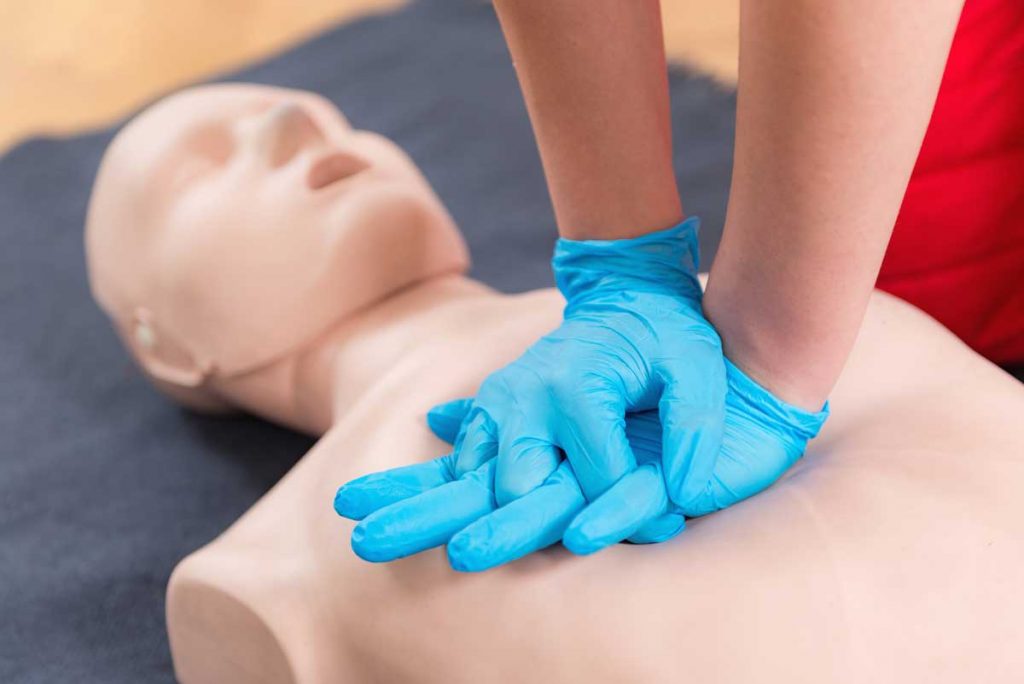
Every credible first aid and CPR course will educate you how to recognise heart attack, phone call for assistance, start compressions, and make use of an AED. For grown-up CPR, this normally implies 30 compressions for 2 breaths, at a rate of regarding 100 to 120 compressions per min. Requirement courses tend to enable even more time to exercise depth, rhythm, and hand placement until it really feels natural.
Breathing and airway emergencies
This includes choking, asthma, anaphylaxis, and scenarios where a person is not breathing typically. In higher quality courses, you ought to physically exercise using an adrenaline automobile injector, placing someone in the recovery position, and taking care of a throwing up or seizing client so they can breathe.
Bleeding, injuries, and shock
You need to discover how to regulate extreme blood loss with direct stress and bandaging, acknowledge shock, and sustain the individual up until assistance arrives. Express first aid courses may cover these subjects with much shorter situations, while common first aid training may provide you more time to re-bandage, resolve different injuries, and acquire muscular tissue memory.
Medical problems and usual emergencies
Cardiac arrest, stroke, diabetes concerns, seizures, fainting, warm fatigue, and hypothermia are all typical products in a thorough first aid course. A good instructor uses real examples and helps you prioritise: what you need to remember, what is ideal but not important, and when to call for assistance as opposed to playing detective.
Injuries to bones, joints, and head
Sprains, thought cracks, spinal issues, and head injuries should all feature, specifically for work environments with physical risks. The difference in between common and express styles is generally not whether they show up, but how many situations you reach overcome and just how much time you need to ask "what happens if" questions.
Legal and practical basics
Task of care, permission, infection control, and how to engage with paramedics matter just as high as bandaging technique. Numerous express first aid training layouts shift this material right into pre course analysis or e-learning. A basic class frequently makes use of brief discussions or case studies.
If you are picking between providers or layouts, request for the detailed course synopsis. Words "first aid and cpr course" can mean really different things in practice. You want to see clear coverage of CPR, breathing emergency situations, significant bleeding, unconscious people, and a minimum of the most typical medical conditions.
How time and format alter the learning experience
I often see individuals focus only on "How much time will I remain in the classroom?" and neglect what they shed when they shave hours off a course. The impact appears in three major means: concept, technique, and assessment.

Theory and knowledge
Requirement first aid courses generally blend short concept obstructs with demos and practice. Learners that have problem with reading or online systems typically prefer this due to the fact that they can ask concerns on the spot.
Fast first aid courses and express cpr courses have a tendency to relocate theory right into an online component completed prior to class. This functions well if you are comfortable examining from a screen and can stay concentrated on your very own. It is less effective if you are the type of individual that plans to do the pre-work, after that ends up stuffing late during the night or skipping sections.
Practical skills and muscle memory
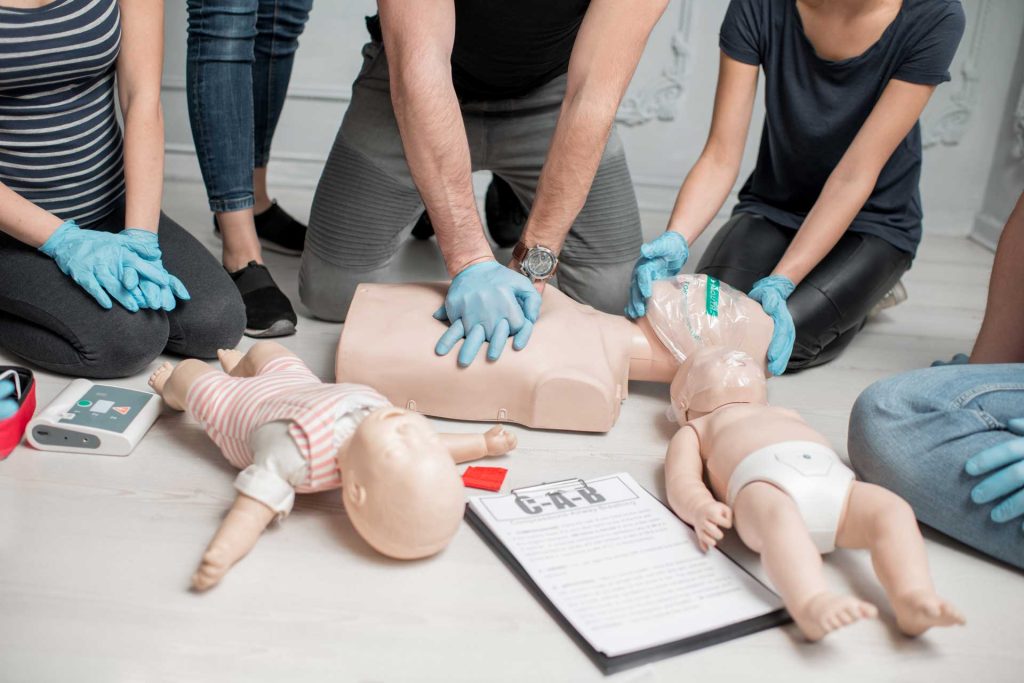
Good first aid and CPR training is physical. You need to stoop, compress, roll, lift, bandage, and improvisate with what you have. That takes rep.
In a common course, the fitness instructor has even more time to turn individuals through circumstances, correct your hand placement, and duty play a couple of different emergencies. I have seen hesitant students become genuinely positive by the afternoon purely because they have had the very same crucial steps repeated in a little various contexts.
In an express first aid course, that exercise home window is much shorter. If everybody in the space is already experienced, this can be enough. If half the team has not touched a CPR manikin in years, you begin to see hurried method and much less chance for private feedback.
Assessment and certification
Whether you choose fast first aid courses or the longer choice, the evaluation has to satisfy the very same requirement if you want a recognised first aid certificate. The difference is just how rushed or loosened up that procedure feels.
A shorter course usually means analyses are packed securely into the timetable. Standard styles enable more time to duplicate a skill if you have a hard time or to take another look at a scenario you located perplexing. If you are anxious regarding tests or practical tests, that additional breathing time matters.
Who matches a basic first aid course best
From what I see in classrooms, specific groups generally take advantage of the complete size option.
People who are truly new to first aid
If you have actually never done first aid training previously, go for a common course. You will obtain direct exposure to more circumstances and listen to more inquiries from others, which typically highlight things you had not thought to ask.
Hands-on or greater risk workplaces
Building and construction, manufacturing, warehousing, medical care, community services, and hospitality all vomit messy, real world emergency situations. Employees in these sectors normally require more circumstance technique: bleeding from machinery, crush injuries, burns, intoxicated or aggressive clients, numerous casualties. A basic first aid and cpr course first aid courses in Adelaide lets the fitness instructor tailor examples to those realities.
Those who lack confidence or feel nervous
I can generally inform in the very first hour that exists due to the fact that the one in charge claimed so and who really feels a silent dread concerning the idea of doing CPR on a real individual. The worried team does much better when they are not rushed. They require to see the demonstration two times, attempt it numerous times, and obtain reinforcement when they do it properly. Pressing that right into an express first aid course can leave them practically skilled theoretically but reluctant when something happens.
People who discover finest face to face
Not everyone thrives with online pre-work. If checking out long blocks of message on a display makes your brain slide off the web page, or English is not your mother tongue, face to face theory with demonstrations will certainly offer you better. The typical format gives the instructor much more chance to discuss and simplify.
Anyone stepping into a marked initial aider role
If your name is going on the security board as the first aid get in touch with, you want more than the bare minimum. You will certainly be the one people consider when something fails. The additional practice and Q&A time in a full-day course deserve the investment.
Who may be great with an express first aid or CPR course
Shorter or fast first aid courses exist for a factor. For some learners, they are not a concession in any way, just a much more effective route to the exact same capability.
Experienced very first aiders on a refresher cycle
Clinically trained staff
Registered nurses, paramedics, and various other medical personnel generally deal with first aid training classes as a tick-box demand. They live and breathe patient treatment in much more intricate settings than any first aid circumstance. For them, a fast first aid course or express cpr training choice is generally a lot more respectful of their time while still maintaining compliance.
Time-poor experts with previous knowledge
If you go to regular first aid courses, operate in a low-risk atmosphere, and just require to maintain your first aid certificate current, a shorter style can work. The key is sincerity: do you actively bear in mind how to do effective compressions, or has it faded right into a vague memory?
Remote employees requiring fast certification
People in regional or remote areas sometimes only have accessibility to a fast first aid course near me layout on details days. In those situations, it is better to take a great express first aid course with strong on-line content than absolutely nothing at all.
Childcare and education: when "express" might not be enough
Childcare is different. The risk account, governing landscape, and emotional risks are all higher. That is why you see particular choices like express child care first aid course or express child care first aid training marketed to early youth educators, institution staff, and out of school hours care programs.
In numerous territories, child care first aid must include:
- Child and baby CPR Asthma and anaphylaxis management Choking in infants and children Recognition of significant ailment in children
From a practical point ofview, caring for kids likewise means taking care of minor injuries all day: nosebleeds, drops, allergic reactions, fevers, seizures. Personnel require to be able to detect when a child goes across the line from "great with monitoring" to "requires immediate treatment".
I have seen express childcare first aid courses work well when:
- The group already holds existing child care first aid and gets on a short refresher cycle Staff take care of cases often and are actively utilizing their skills Online pre-learning covers youngster particular scenarios in depth
However, for new childcare employees, a shortened express childcare first aid choice can feel overwhelming and thin. They benefit extra from a much longer childcare first aid and CPR course that allows them practice infant CPR repeatedly, go over real events, and unpack the psychological side of taking care of distressed parents and colleagues.
If you work with children, check your regulatory needs meticulously. An express childcare first aid course should still meet the mandated web content and hours, or you take the chance of being non-compliant.
Regulatory and office requirements: what you can not shortcut
Many people initial attend first aid and CPR training because a regulation, licence, or employer plan needs it. That might be a workplace health and safety law, an industry criterion, or conditions of professional registration.
Before you enroll in any express first aid training option, verify:
Which device or requirement is required
Your employer or regulator could define a particular course code or discovering end result, not simply "first aid". For example, a work environment might call for a certain work-related first aid degree, which can not be met via an ultra brief fast first aid course.
How frequently you have to refresh
CPR training is frequently required annual, while full first aid courses might be required every three years. If you are overdue by numerous cycles, some providers or regulators demand a full conventional course once again instead of a short refresher.
Whether mixed discovering is accepted
Some organisations just approve fully one-on-one training, while others accept on-line theory plus short practical workshops. If you select an express first aid course with heavy on-line web content, check that your company will approve that layout prior to you pay.
Insurance and liability
Particular professional indemnity plans think you hold an existing, recognised first aid and cpr certificate. If your fast certification originates from a service provider that reduces edges, you could technically be certified yet still run into issues if something goes wrong.
A basic guideline: any kind of express cpr course or fast first aid course should map clearly to the exact same recognized criterion as the full version. Much shorter does not mean "less reputable", yet it should never mean "various qualification".
Cost, worth, and the surprise cost of "low-cost and quick"
Price typically drives the first concern. A fast first aid course looks appealing if the charge is reduced and you only lose half a day of job as opposed to a full day. For employers, that can add up, especially throughout large teams.
However, there are a couple of surprise prices to consider.
Lost deepness and confidence
If your group rushes via an express first aid course and comes out with weaker skills, you might pay for it later on in preventable occurrences, near misses, or bad feedbacks. I have actually debriefed groups after genuine emergencies where somebody froze, despite technically holding a first aid certificate. Commonly they finished a fast course, after that never ever spoke about first aid once again until the emergency.
Retraining sooner
Individuals have a tendency to forget skills they never practice. A slightly much longer conventional course can embed knowledge much more firmly, which may suggest you can extend the time prior to they feel they require informal refreshers, tool kit talks, or additional method sessions.
Impact on culture
When an organisation just ever before publications the fastest, most affordable training, staff receive a clear message: conformity issues, yet skills is optional. When you spend an additional couple of hours in typical first aid courses and excellent cpr training, you signify that you actually respect exactly how individuals execute when somebody is hurt.
This is not an argument that one of the most costly, longest course is constantly the best. I have actually seen portable, fast first aid courses provided with high energy, clear explanations, and excellent technique time. The factor is to think in terms of value, not just cost and duration.
An easy choice guide
When individuals collar me throughout a break and ask whether they should book an express first aid course or the basic layout next time, I walk them through a few questions.
Here is a brief list you can use similarly:
Are you brand-new to first aid or really rusty? If yes, lean strongly toward a common first aid and cpr course with plenty of useful time. Does your job carry actual physical or health risks? If yes, prioritise depth and scenario practice over speed. Are you comfy doing meaningful theory online before course? If no, select a style where most learning takes place face to face. Are you a marked initial aider or in charge of kids or susceptible individuals? If of course, choose common or extended childcare first aid courses rather than the quickest express option. Does your regulator or employer define a minimal course size or layout? If of course, select the fastest choice that still fulfills or goes beyond that requirement, however not less.If you respond to "yes" to numerous of these, the conventional choice is usually safer. If your answers are primarily "no", and you currently hold a current certificate, then an express cpr course or fast first aid course is most likely to fit you well.
Getting one of the most out of whichever course you choose
Once you have actually made a decision in between standard and express first aid courses, the genuine worth comes from just how you approach the training itself.
Consider these functional practices:
Do the pre-work appropriately, not as a box tick. If your carrier sends on-line components prior to an express first aid or fast cpr course, alloted peaceful time and keep in mind. You will relocate with the practical session much more confidently. Ask "what happens if" questions concentrated on your actual environment. If you work with a ranch, inquire about machinery injuries. If you work in childcare, inquire about seizures in young children. Fitness instructors typically invite concrete scenarios. Lean right into the hands-on components. Use the manikins, method bandaging, and volunteer for circumstances, also if you feel unpleasant. Skills stick when your body has done them, not simply your eyes have enjoyed them. After the course, go through your office or home and envision where emergencies might occur. Check where the closest first aid kit and AED are, and what barriers you would certainly face. Refresh briefly in between formal recertifications. See a reliable CPR video clip every couple of months, talk through a recent occurrence with associates, or psychologically rehearse what you would do if someone fell down at your desk.Whether your certificate comes from a full-day typical course or a compact express first aid course issues less than what you keep in mind and can perform under tension six or twelve months later.
Effective first aid is hardly ever attractive. It is a series of little, clear activities taken rapidly and steadly: turn the head back, begin compressions, press on the wound, guarantee the person that help is coming. Selecting the best training style is your first step toward having the ability to do those points when it counts.
Standard and express first aid courses each have a place. Suit the layout to your experience, your obligations, and your learning style, then dedicate to engaging totally. The skills you construct in a few concentrated hours can transform the result of the most awful day in someone's life.